


When Home Sales Slow Down: How Small Businesses Tied to Housing Can Stay Afloat
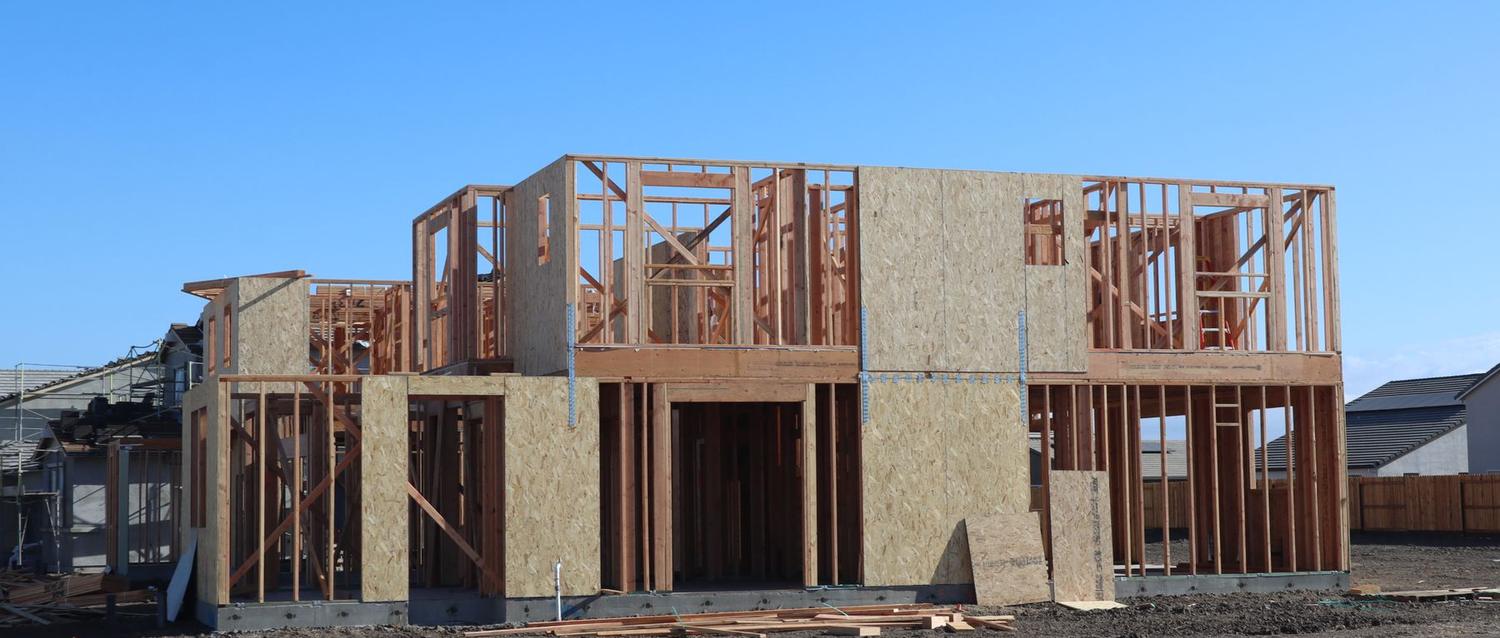
When fewer homes are built, sold or remodeled, the effect spreads quickly. Home builders cut back first. Then the businesses that supply and serve them feel it: remodelers, cabinet and countertop shops, window and door suppliers, flooring installers and building material dealers. Many of these are small, locally owned companies with a narrow customer base.
The last major downturn showed how far this can reach. The Federal Reserve’s history of the Great Recession describes the housing market as the epicenter of the crisis and recession. Home prices fell roughly 30 percent on average between their mid-2006 peak and mid-2009. When home values drop that far, owners delay renovations, builders pause new projects, and orders slow all along the chain.
What the Last Downturn Showed
The real estate housing market crash turned into a general recession. According to the Bureau of Labor Statistics, the recession began in December 2007 and ended in June 2009. Construction had the largest percentage drop in employment of any recession since World War II, falling 13.7 percent at an annual rate over that period.
For small business owners, the lesson is simple: industries tied to housing tend to fall earlier and harder than the wider economy. In Alabama, the downturn arrived in 2009, and for some businesses its effects lasted for years. A business in this chain can’t control the housing market, but it can prepare for the moment demand starts to fall.
Early Signs That Demand Is Slipping
A slowdown rarely shows up all at once. The first signs are usually small: fewer calls for estimates, longer gaps between a quote and a signed contract, and customers who ask to delay a project. Builders may slow their orders or take longer to pay invoices. Competitors may start cutting prices to keep work coming in.
Tracking these signals takes regular attention to the numbers. The U.S. Small Business Administration advises owners to review their financials alongside their short-term and long-term goals and make adjustments as needed. A monthly look at sales, open quotes and receivables makes a drop in demand easier to spot while there is still time to respond.

Protecting Cash Flow When Sales Slow
Cash is what keeps a business open during a downturn. A cash flow projection shows when money will come in and go out over the coming months, so you can see a shortfall before it arrives. The SBA notes that a balance sheet can support a cash flow projection for future years.
When sales slow, the SBA suggests looking for ways to streamline costs and reduce overhead, including renegotiating leases and contracts. For housing-related businesses, that can mean reviewing rent on a showroom or warehouse, adjusting inventory orders to match real demand, and following up quickly on unpaid invoices from builders and contractors.
Adjusting the Business Model Instead of Waiting It Out
Some businesses get through a downturn by changing who they sell to and what they offer. A company that depends on one type of customer, such as new home builders, can look for work in other segments: repairs and smaller remodels, retail customers, or commercial and multifamily projects.
Remodeler’s Outlet offers a local example. The Anniston company grew to 41 employees before the downturn, then saw sales and staff fall sharply in 2010 and 2011. In 2012, it changed its approach: it served residential home builders in Birmingham, grew its consumer retail side, kept working on commercial and multifamily projects, and added lower-priced products for cash-and-carry customers. You can read how Remodeler’s Outlet in Anniston changed its business model on the Success Stories page.
Planning Before the Next Slowdown
The best time to prepare for a downturn is while business is steady. A broader mix of customers reduces the risk of relying on one market. Regular reviews of costs, goals and cash flow help keep plans realistic.
The SBA also recommends writing a business continuity plan, which identifies the functions a business can’t do without and the steps to recover when something disrupts normal operations. According to the SBA, such a plan helps minimize financial loss. For companies that depend on housing, it gives the owner a set of decisions made in advance, so a slowdown doesn’t have to become a crisis.
This article is for general information only and isn’t financial or legal advice.